
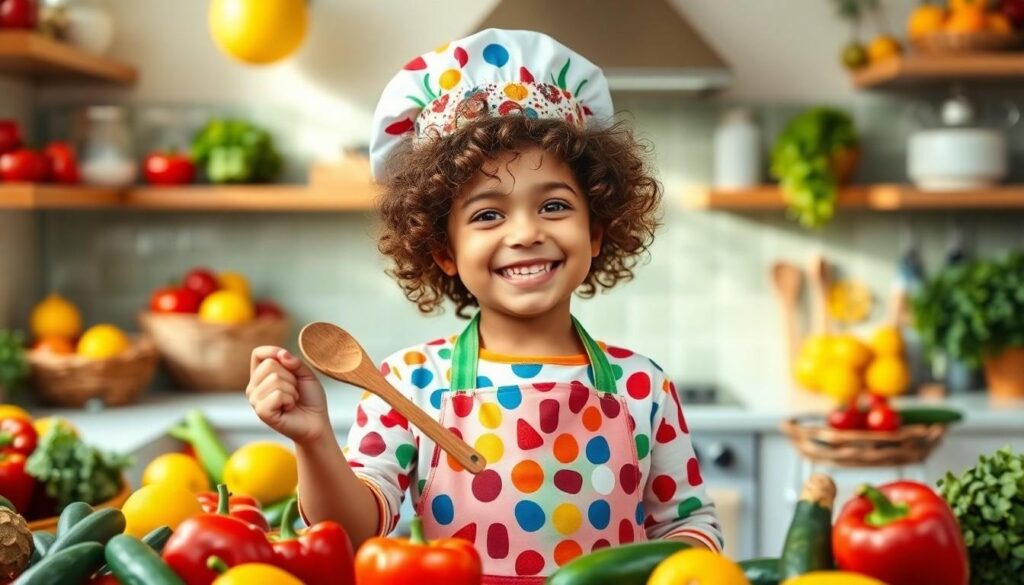
Imagine a world where kids whip up culinary masterpieces while giggling over spilled flour and the occasional egg mishap. A cooking show for kids isn’t just about recipes; it’s a delightful adventure that stirs creativity and builds confidence in the kitchen. With colorful ingredients and vibrant personalities, these shows transform cooking into a fun-filled experience that keeps little hands busy and minds engaged.
Overview of Cooking Shows for Kids
Cooking shows for kids provide an engaging platform that combines education with entertainment. These programs teach children essential cooking skills while nurturing creativity and exploration in the kitchen. By presenting colorful ingredients and fun recipes, they inspire young audiences to experiment with food.
Formats vary across cooking shows, catering to different age groups and skill levels. Some shows focus on simple recipes that children can easily replicate, while others introduce more complex culinary techniques. Many feature interactive segments, allowing viewers to participate in real-time challenges or cooking demonstrations.
Hosts play a crucial role in these shows, often using humor and enthusiasm to connect with young viewers. Their vibrant personalities capture attention and encourage kids to take an interest in cooking. Cooking competitions among children also arise in some programs, fostering a sense of teamwork and healthy competition.
Educational components often accompany the cooking lessons. Kids learn about nutrition, food safety, and the origins of ingredients. Such information builds a foundation for healthy eating habits that can last a lifetime.
Producing these shows requires attention to age-appropriate content. Producers prioritize safety and accessibility, ensuring that recipes use common, kid-friendly ingredients. They often feature easy-to-follow instructions, catering to different learning styles.
Cooking shows for kids blend fun, education, and creativity. They create an exciting environment inspiring children to become confident young chefs. As these shows continue to evolve, they play an essential role in shaping future generations’ culinary experiences.
Benefits of Cooking Shows for Kids

Cooking shows designed for kids offer numerous benefits that extend beyond meal preparation. These programs engage children while equipping them with valuable life skills.
Enhancing Culinary Skills
Cooking shows introduce children to essential culinary techniques. Young viewers learn to measure ingredients, chop vegetables, and follow recipes step-by-step. Familiarizing with kitchen tools enhances their confidence and independence in cooking. Participating in cooking activities boosts creativity, allowing kids to experiment with flavors and presentation. Observing experienced hosts encourages them to embrace challenges, resulting in improved problem-solving skills. Gradually developing these abilities fosters a sense of accomplishment as they prepare dishes from start to finish.
Encouraging Healthy Eating Habits
These shows play a vital role in promoting healthy eating habits. Exposure to colorful ingredients inspires children to choose fresh fruits and vegetables over processed options. Educational components often highlight the importance of nutrition and balanced meals. Understanding food sources and preparation methods helps children make informed choices about their diets. Cooking shows also emphasize portion control, teaching kids the significance of moderation. By engaging with healthy recipes, young chefs adopt lifelong habits that contribute to their overall well-being.
Popular Cooking Shows for Kids
Numerous cooking shows capture the imagination of young chefs, blending fun and education in creative ways. Each program showcases its unique approach to engaging children in the culinary arts.
Show 1: Overview and Key Features
MasterChef Junior invites young contestants to showcase their skills in front of professional chefs. Contestants face various challenges, from mastering simple recipes to creating gourmet dishes. This show emphasizes teamwork, creativity, and culinary techniques, providing an exciting platform for young chefs to shine. Throughout the season, the competition fosters a sense of camaraderie, while judges offer constructive feedback. Children develop confidence as they turn ingredients into impressive meals, all while learning about cooking in a fun environment.
Show 2: Overview and Key Features
Kids Baking Championship focuses on baking challenges that highlight creativity and technical skills. Contestants tackle themed challenges, crafting desserts that wow both judges and viewers. The show promotes a supportive atmosphere, with hosts encouraging participants to express their individuality through baking. Educational segments include tips on techniques like frosting and cake assembly, making it accessible for young bakers. Each episode features exciting twists, keeping children engaged as they develop their baking prowess.
Show 3: Overview and Key Features
Nailed It! Holiday! spins off the popular baking show format, featuring amateur home bakers attempting extravagant holiday-themed treats. Unique challenges test contestants’ abilities, often resulting in humorous outcomes. Encouragement flows from the charismatic hosts, who celebrate both successes and mishaps. Children learn to embrace creativity and humor in the kitchen, fostering a positive attitude towards cooking. The light-hearted nature of the show makes it entertaining while still providing insights into baking and decorating techniques.
Tips for Parents Watching Cooking Shows with Kids
Parents can enhance their child’s experience while watching cooking shows by participating actively. Engaging with the content makes it all the more enjoyable. Ask questions about the dishes being prepared, highlighting ingredients and techniques. Encourage kids to share their thoughts on flavors and presentation.
Engaging with the Content
Interactive discussions during the show foster understanding and retention. Comment on different cooking styles or flavors presented by the hosts. Comparing dishes from various cultures broadens culinary knowledge. Noting safety tips featured in episodes boosts awareness and responsibility in the kitchen. Observing how different ingredients interact teaches valuable concepts about cooking. Sharing personal experiences related to the recipes deepens engagement and connection with the content.
Encouraging Participation
Encouraging kids to participate enhances their enthusiasm for cooking. Suggest they recreate dishes shown in episodes, adapting them to personal tastes. Providing simple cooking tasks, like measuring or mixing, allows for hands-on learning. Inviting children to plan meals inspired by the show promotes creativity in the kitchen. Scheduling cooking nights can turn viewing into a family event, making it both educational and fun. Celebrating small accomplishments, like mastering a technique, builds confidence and sparks a lifelong love for cooking.
Conclusion
Cooking shows for kids offer a unique blend of fun and education that inspires young chefs. They encourage creativity and confidence while teaching essential culinary skills. By engaging with vibrant ingredients and lively hosts, children develop a passion for cooking that can last a lifetime.
These shows not only foster healthy eating habits but also promote teamwork and exploration in the kitchen. With various formats catering to different age groups, there’s something for every budding chef. Parents play a crucial role in enhancing the experience, turning viewing into an interactive adventure.
Ultimately, cooking shows for kids are more than just entertainment; they lay the groundwork for healthy lifestyles and culinary creativity that can shape future generations.