
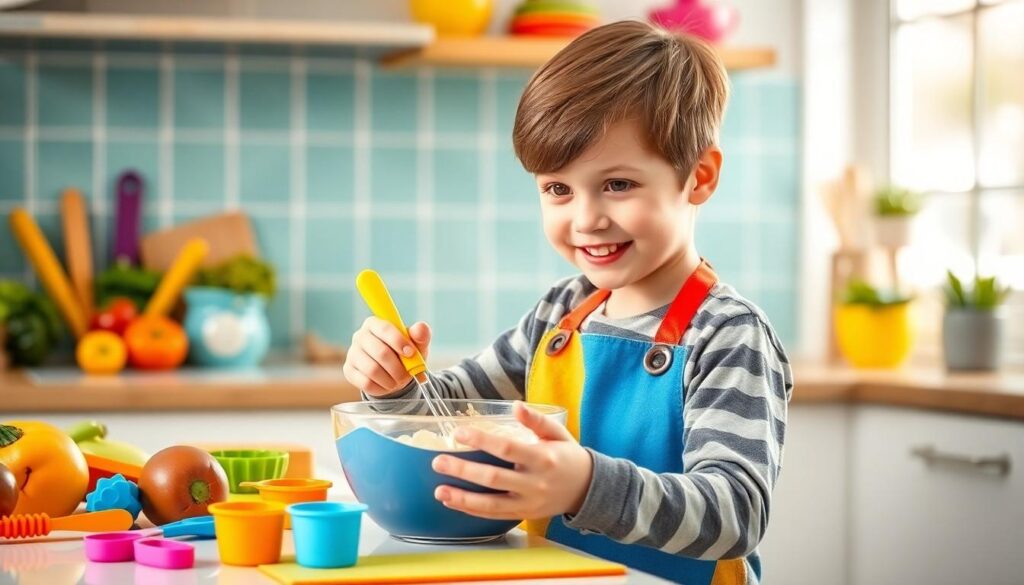
Getting kids involved in the kitchen can feel like a recipe for chaos, but with the right cooking tools, it can turn into a fun culinary adventure. Imagine tiny hands wielding colorful spatulas and measuring cups, creating dishes that are more than just edible— they’re masterpieces! Cooking not only teaches kids essential life skills but also gives them a chance to express their creativity and maybe even sneak in a few veggies along the way.
Overview of Cooking Tools for Kids
Kids require specific cooking tools designed for safety and ease of use. First, child-sized utensils promote comfort and encourage participation. Spoons, spatulas, and measuring cups come in vibrant colors that attract children’s attention. Safety-focused knives have rounded tips, minimizing the risk of cuts while allowing kids to chop soft ingredients like fruits and cooked vegetables.
Next, non-slip cutting boards prevent movement during food preparation, adding a layer of safety. These boards should feature fun designs to engage young chefs. Additionally, silicone baking mats provide a non-stick surface, simplifying the baking process and making cleanup easier.
Measuring tools are essential, helping children understand portion sizes and quantities. Clear, marked measuring cups empower kids to be precise with ingredients. Furthermore, kid-friendly aprons protect clothes from spills and stains, fostering a sense of responsibility while cooking.
Oven mitts specifically designed for small hands ensure safety when handling hot items. These mitts shouldn’t be too bulky, allowing for better grip and control. Similarly, playful baking molds encourage creativity, making subjects like geometry enjoyable while allowing children to create fun shapes.
Timers support time management skills, helping kids learn cooking durations and patience. Fun, colorful timers can make the experience exciting and engaging. Each of these tools contributes to a safe and informative cooking environment, enabling children to develop culinary skills while having fun in the kitchen.
Benefits of Involving Kids in Cooking

Involving kids in cooking offers numerous advantages for their development. Engaging in the kitchen can stimulate important skills while providing an enjoyable experience.
Enhancing Creativity
Cooking encourages creativity in children. They can experiment with flavors while selecting their ingredients, creating unique dish combinations. Many kids enjoy decorating their meals, allowing personal expression through presentation. When provided with various tools, they can explore different cooking techniques and methods. Recipes can create a foundation, but the freedom to modify them fosters imaginative thinking. This hands-on experience helps develop their artistic flair while also teaching them about food.
Building Confidence
Cooking can significantly boost children’s confidence levels. Completing a recipe gives kids a sense of accomplishment. As they gain proficiency with specific tasks, they develop pride in their skills. Encouragement from family reinforces their efforts, promoting a positive self-image. Trying new techniques or preparing complex dishes can challenge them further, helping them overcome fears of failure. Each success in the kitchen builds their confidence, extending beyond cooking into other areas of life.
Types of Cooking Tools for Kids
Using the right cooking tools is essential for a safe and enjoyable experience in the kitchen. Various categories exist to help children learn and have fun while cooking.
Safety Considerations
Child safety ranks as a top priority in the kitchen. Specially designed kitchen tools minimize risks and enhance safety. Safety knives fit smaller hands and reduce the chances of cuts. Non-slip cutting boards keep food steady while kids chop or slice ingredients. Oven mitts and aprons with secure grips protect children from burns and spills. Another crucial item is a kid-friendly food processor, which simplifies ingredient prep while ensuring safety. Proper supervision during cooking tasks adds an extra layer of security, promoting a fun and worry-free environment.
Age-Appropriate Tools
Selecting age-appropriate tools simplifies the learning process. Different tools suit varying skill levels, catering to children from preschoolers to preteens. Young children benefit from colorful measuring cups and spoons, which introduce them to basic measurements. Silicone spatulas offer flexibility, allowing safe mixing and scraping. For older kids, using durable knives becomes an option; they can handle simple chopping tasks with the right guidance. Baking tools like non-stick pans and cookie cutters engage preteens as they create more complex dishes. Tailoring tools to specific age groups nurtures confidence and encourages culinary exploration.
Popular Cooking Tools for Kids
Cooking tools tailored for children foster a safe and engaging kitchen experience. Selecting the right tools enhances learning and creativity, making cooking enjoyable for young chefs.
Measuring Tools
Measuring cups and spoons designed for kids promote basic math skills. Colorful and easy to grip, these tools simplify portion control. With clear markings, children understand quantities while promoting independence in the kitchen. Scales can also be included for older kids to learn about weight measurements. These tools encourage exploration with ingredients, making it easier to follow recipes accurately.
Utensils and Cookware
Child-safe utensils include small knives with rounded tips and flexible spatulas, allowing for safe mixing and flipping. Miniature pots and pans also enable kids to practice cooking skills without being overwhelmed. Non-slip cutting boards provide stability during food prep. Silicone baking mats make cleanup easier, while fun-shaped cookie cutters inspire creativity. Each item supports children’s development while ensuring safety during culinary activities.
Appliances
Child-friendly appliances like easy-to-use blenders enhance cooking experiences. Microwave ovens designed for kids can introduce them to cooking in a straightforward way. Slow cookers with safety features make it simple for children to prepare meals under supervision. Teaching basic operation of these appliances cultivates responsibility and confidence in the kitchen as they learn essential cooking techniques.
Tips for Encouraging Kids in the Kitchen
Involving kids in cooking can be as simple as starting with small tasks. Assign them to wash vegetables or mix ingredients. This hands-on approach helps build confidence right from the beginning.
Choose age-appropriate recipes that appeal to their interests. Opt for colorful dishes or fun shapes to capture their attention. Involvement in the selection process can enhance their excitement and willingness to participate.
Celebrate their culinary achievements, regardless of size. Praising their efforts encourages a positive attitude toward cooking. Create a fun atmosphere by playing music during the cooking process, making the activity an enjoyable experience.
Introduce them to safety procedures early on. Emphasize the importance of using child-friendly tools, like safety knives and non-slip cutting boards. Teaching these skills ensures they understand how to navigate the kitchen safely.
While cooking, encourage experimentation with flavors and ingredients. Letting them try new combinations cultivates creativity. Providing a variety of toppings or spices invites them to express their preferences.
Establish a routine that includes cooking together regularly. This promotes consistency and strengthens bonds through a shared activity. Document their favorite recipes to create a personalized cookbook, reinforcing their accomplishments and memories.
Engage them in planning meals, focusing on balanced nutrition. Discuss the benefits of healthy ingredients and their roles in meals. This educational aspect fosters their understanding of nutrition and encourages healthier choices.
Lastly, maintain a patient attitude during cooking sessions. Allow mistakes to happen, treating them as learning opportunities. Patience nurtures their confidence and enthusiasm, ensuring the kitchen remains a positive space for exploration.
Conclusion
Involving kids in cooking not only nurtures their culinary skills but also fosters creativity and confidence. With the right tools, children can safely explore the kitchen while learning valuable life lessons. Child-sized utensils and safety-focused equipment create a secure environment that encourages experimentation and personal expression.
Celebrating their achievements and allowing them to take on age-appropriate tasks builds a positive attitude towards cooking. As young chefs gain experience, they develop a sense of responsibility and a deeper understanding of healthy eating. By making cooking a fun and engaging activity, families can strengthen their bonds while instilling lifelong skills in their children.