
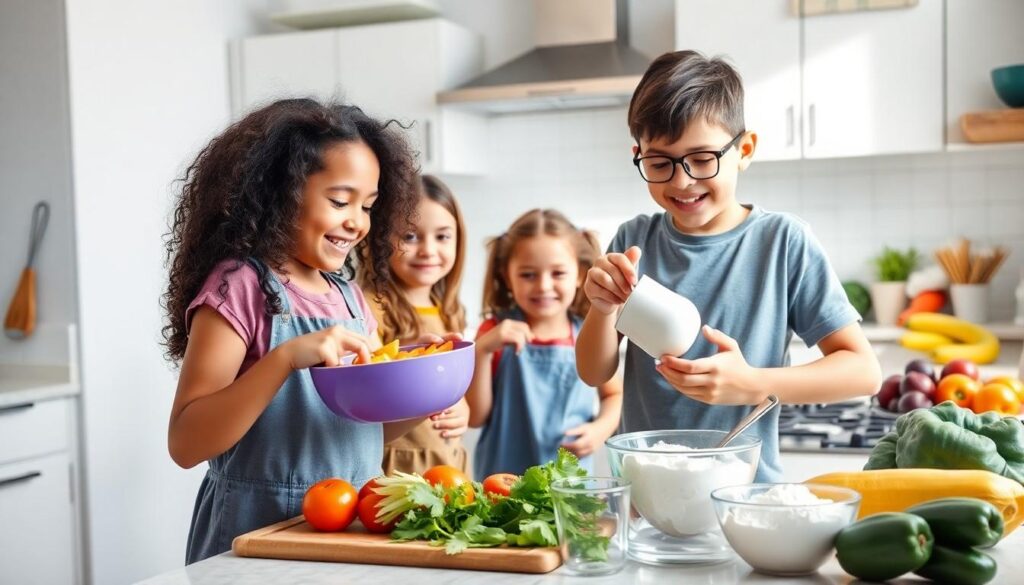
Cooking with kids can be a delightful adventure filled with laughter, mess, and a sprinkle of chaos. Imagine tiny hands trying to measure flour while simultaneously staging a flour fight—who knew baking could double as a workout? A cooking class with kids not only teaches essential kitchen skills but also serves up a generous helping of fun and creativity.
Benefits Of Cooking Classes With Kids
Cooking classes with kids offer numerous benefits, enhancing their development in various ways. Engaging in culinary activities cultivates essential life skills and a love for healthy eating.
Enhancing Motor Skills
Cooking requires various tasks that contribute to the development of motor skills. Grating vegetables or rolling dough helps improve hand-eye coordination. Mixing ingredients and using utensils build strength and dexterity in small hands. Kids learn to follow steps and manage tools, which enhances fine motor functions. These activities not only promote physical skills but also encourage independence in the kitchen. Cooking together creates a platform for practicing motor skills in a fun and engaging environment.
Fostering Creativity
Creativity flourishes in the kitchen during cooking classes. Children explore flavors, textures, and colors, allowing them to express their unique tastes. Recipe modification encourages experimentation and imagination. They can combine ingredients in innovative ways, leading to delicious discoveries. Seeing a dish come together fosters confidence in their culinary abilities. Each cooking session becomes an opportunity for artistic expression, inspiring kids to create their masterpieces. Enjoying the process of making food elevates their appreciation for culinary arts.
Choosing The Right Cooking Class

Selecting a cooking class for kids involves careful consideration of various factors to ensure an enjoyable learning experience.
Age Appropriateness
Age plays a crucial role in determining the suitability of a cooking class. Classes should align with children’s developmental stages, catering to their skills and understanding. For instance, classes for younger children might emphasize simple tasks like mixing or measuring, while older kids can handle more complex techniques. Choosing a class that matches age ensures engagement and safe learning, maintaining interest throughout the session.
Class Size And Environment
Class size impacts the learning dynamics in cooking classes. Smaller groups allow for more individualized attention, enhancing the learning experience. In a conducive environment, children feel encouraged to ask questions and participate actively. Additionally, an organized kitchen space ensures safety and smooth operations during cooking activities. A well-structured setting fosters a supportive atmosphere, where kids can explore their culinary skills without feeling overwhelmed.
Activities To Expect In Cooking Classes
Cooking classes for kids involve engaging activities that enhance culinary skills and nutritional knowledge. Participants can expect a variety of hands-on experiences.
Hands-On Cooking Experiences
Kids dive into the joy of cooking through practical activities. They chop vegetables, measure ingredients, and follow recipes, gaining confidence in the kitchen. Each session provides opportunities to explore different cooking techniques, like baking or sautéing. By working with fresh ingredients, children develop an understanding of flavor combinations. Collaborative cooking fosters teamwork, encouraging kids to communicate and share ideas. These interactive experiences not only build culinary skills but also promote problem-solving abilities.
Learning About Nutrition
Understanding nutrition plays a key role in cooking classes. Instructors introduce concepts like balanced meals, portion control, and healthy substitutions. Children learn the importance of various food groups, fostering an appreciation for fruits, vegetables, and whole grains. Discussions often include food preparation methods and their impact on health. Engaging activities, like creating food plates or discussing food origins, make learning fun. Kids leave with a foundational knowledge of healthy eating habits, inspiring future culinary choices.
Tips For Parents
Cooking together fosters connection and makes learning enjoyable. Setting the right environment and expectations enhances the experience for all.
Engaging Kids At Home
Start with simple recipes that allow kids to explore different ingredients. Encourage them to pick meals they want to prepare, promoting ownership in the process. Creating a cooking schedule helps maintain interest and makes it a fun routine. Introducing themed cooking days can spark excitement; for example, making pizza night or international cuisine day. Keeping the atmosphere light and playful allows children to embrace mistakes as part of learning. Using colorful utensils and fun gadgets can also capture their attention, making the kitchen feel welcoming.
Safety Precautions In The Kitchen
Ensure a safe cooking environment by teaching kids basic kitchen rules. Begin with washing hands before handling food. Designate a safe area for sharp tools, explaining their proper use. Teaching them about hot surfaces and how to use oven mitts is crucial. Always supervise children when using equipment like blenders or mixers. Storing hazardous materials out of reach reinforces safety. Reinforcing safety habits builds confidence and allows them to enjoy cooking without fear. Emphasizing teamwork during cooking reduces accidents and promotes collaboration.
Conclusion
Cooking classes with kids create unforgettable memories while teaching essential skills. These experiences not only enhance motor abilities and creativity but also build confidence in the kitchen. By choosing the right class and fostering a supportive environment, parents can ensure their children thrive during culinary adventures.
Encouraging kids to explore flavors and engage in hands-on activities makes cooking enjoyable and educational. Safety and teamwork are vital components that enhance the learning process, allowing children to develop a positive relationship with food. Embracing these cooking experiences at home can further ignite a passion for culinary exploration, setting the stage for a lifetime of healthy eating habits.