
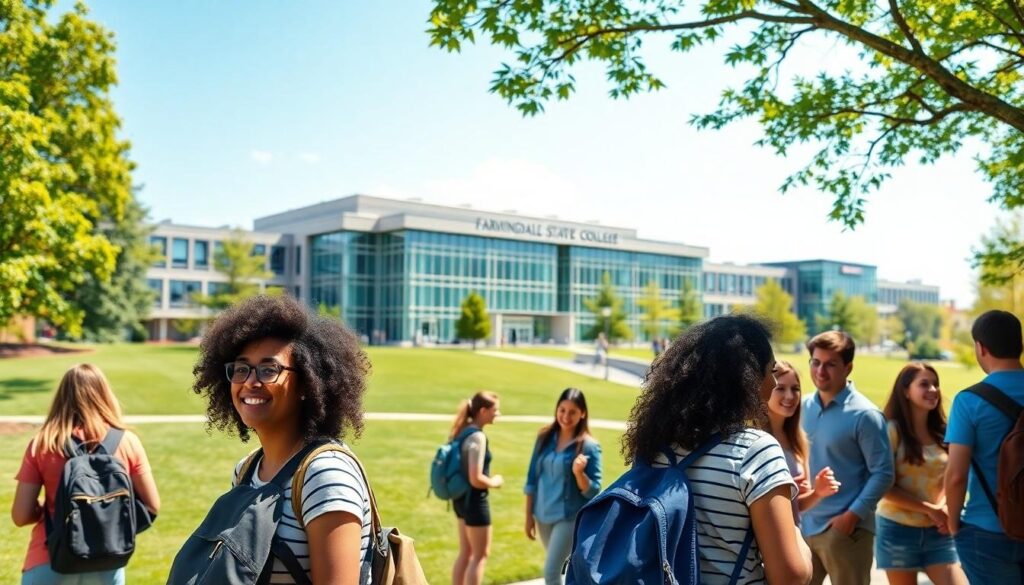
When it comes to choosing a college, tuition can feel like a game of Monopoly—lots of numbers and a few surprises that can leave you feeling broke before you even start. Farmingdale State College, nestled in the heart of New York, offers a fantastic education without the financial nightmare that often comes with it.
With a variety of programs and a vibrant campus life, students can focus on their studies instead of stressing over their bank accounts. Curious about how much it really costs to attend this gem of a school? Let’s dive into the details of Farmingdale State College tuition and uncover how it can fit into your budget while opening doors to a brighter future. After all, who said higher education can’t come with a side of humor and a sprinkle of savings?
Overview of Farmingdale State College Tuition
Farmingdale State College offers competitive tuition rates compared to many four-year colleges in New York. For the 2023-2024 academic year, undergraduate tuition for New York residents stands at approximately $7,070 per year. Out-of-state students face a tuition of around $19,320 annually. Additional fees contribute to the overall cost, including mandatory fees that account for approximately $1,500 yearly.
Room and board significantly impact the total expenditure for students living on campus. The average cost for on-campus housing is about $15,200 per year, while meal plans add an estimated $4,600 annually. Cost-effective housing options exist, enabling students to choose accommodations that fit their budget.
Financial aid options provide further relief to those concerned about the total cost of attendance. Farmingdale State College supports various scholarships, grants, and work-study programs aimed at alleviating financial strain. Over 80% of students receive some form of financial assistance, making it possible for many to pursue their education without overwhelming debt.
Considering program diversity in various fields, Farmingdale caters to students with different interests and career paths. The college emphasizes affordability, allowing students to engage in vibrant campus life while focusing on academics. Overall costs balance well against the quality of education and resources available, making Farmingdale State College an attractive option for aspiring students.
Cost Breakdown

Understanding the costs associated with Farmingdale State College reveals its affordability. Various components contribute to the overall financial picture.
Tuition Rates
Undergraduate tuition for New York residents stands at approximately $7,070 per year. In contrast, out-of-state students face significant costs of around $19,320 annually. These rates, while competitive, reflect the college’s commitment to accessible education. Students seeking higher education can find value in these figures. Overall, the tuition rates demonstrate Farmingdale’s strategy of balancing quality and affordability.
Additional Fees
Mandatory fees, adding around $1,500 annually, supplement tuition payments. These fees encompass essential services such as registration and maintenance. On-campus housing costs roughly $15,200 per academic year, providing students with convenient living options. Meal plans average about $4,600, ensuring students access nutritious food. Together, these additional costs contribute to the overall financial commitment at Farmingdale State College.
Financial Aid Options
Farmingdale State College offers several financial aid options, making education more accessible for students. Various programs support individuals financially, helping them pursue their academic goals.
Scholarships
Scholarships represent a significant source of financial assistance for students. Farmingdale State College provides merit-based and need-based scholarships to eligible applicants. These awards can cover a portion of tuition and fees, easing students’ financial burdens. Many scholarships are renewable, allowing students to receive ongoing support throughout their college years. Moreover, over 80% of students at the college benefit from these scholarships, showcasing the institution’s commitment to helping students succeed financially.
Grants and Loans
Grants and loans form another essential aspect of financial aid at Farmingdale State College. Grant options, such as the Federal Pell Grant and New York State Tuition Assistance Program, provide funds that do not require repayment. Loans, including federal and private options, help students finance their education with a manageable repayment plan post-graduation. Understanding the differences between grants and loans is crucial for students in making informed financial decisions. With a variety of choices available, students can find the right combination of aid to support their academic journey.
Comparison with Similar Institutions
Farmingdale State College’s tuition remains competitive within its peer group. Public colleges in New York, such as SUNY College at Old Westbury and SUNY Oneonta, charge similar rates. For instance, SUNY Old Westbury lists its tuition at approximately $7,070 for New York residents, matching Farmingdale’s cost. Conversely, out-of-state tuition at SUNY Oneonta reaches about $25,000, significantly higher than Farmingdale’s $19,320.
Additional fees play a role in the overall cost. Average mandatory fees at Farmingdale approximate $1,500, aligning closely with those at other colleges like SUNY Polytech, which charges around $1,700 per year. On-campus living expenses also require consideration. At Farmingdale, housing costs around $15,200, while competitors like SUNY Plattsburgh report fees of $16,000.
Financial aid options enhance accessibility. Farmingdale sees over 80% of students receiving various forms of financial assistance. In comparison, SUNY Cortland’s aid distribution mirrors this trend, with a similar financial aid uptake among its students. Merit-based scholarships often extend to students at both institutions, helping to ease tuition costs.
Students considering Farmingdale benefit from being aware of such comparisons. Understanding these comparative tuition rates and financial aid opportunities equips them with essential knowledge for their educational decisions.
Farmingdale’s commitment to affordability and support resonates throughout this comparison, highlighting the institution’s effort to provide accessible education.
Tips for Managing Tuition Costs
Explore financial aid opportunities offered by Farmingdale State College. Scholarships, both merit-based and need-based, can significantly lower tuition expenses, helping students manage their financial obligations. Identifying these options early can streamline the application process.
Consider applying for grants such as the Federal Pell Grant and New York State Tuition Assistance Program. These funds do not require repayment, easing the overall financial burden. Seek out eligibility requirements for these programs to maximize potential benefits.
Utilize work-study programs available at Farmingdale. These programs allow students to earn money while studying, offsetting some tuition costs. Balancing work hours with academic responsibilities can support both education and finances effectively.
Review housing and meal plan options critically. On-campus housing costs approximately $15,200 per year, while meal plans average around $4,600. Comparing these figures with local living expenses may reveal more affordable alternatives.
Develop a budget that tracks all anticipated costs. Students can project tuition, fees, housing, and other expenses to create awareness of their financial picture. Regularly monitoring spending against this budget helps in making informed decisions.
Engage with the financial aid office for personalized support. They can provide tailored advice on managing tuition and maximizing available resources. Regular communication can uncover additional opportunities that fit individual circumstances.
Connect with peers who successfully navigated tuition costs. Learning from their experiences can offer insight into effective strategies. Networking can also lead to discovering hidden resources or scholarships not widely advertised.
Conclusion
Farmingdale State College stands out as an affordable option for students seeking quality education. With competitive tuition rates and a significant percentage of students receiving financial aid, it offers numerous resources to help ease the financial burden. By exploring scholarships, grants, and work-study opportunities, students can effectively manage their educational expenses. The college’s commitment to affordability ensures that students can focus on their studies without the overwhelming stress of financial constraints. As they navigate their educational journey, students can find support and guidance to make informed decisions about their finances, paving the way for a successful college experience.