
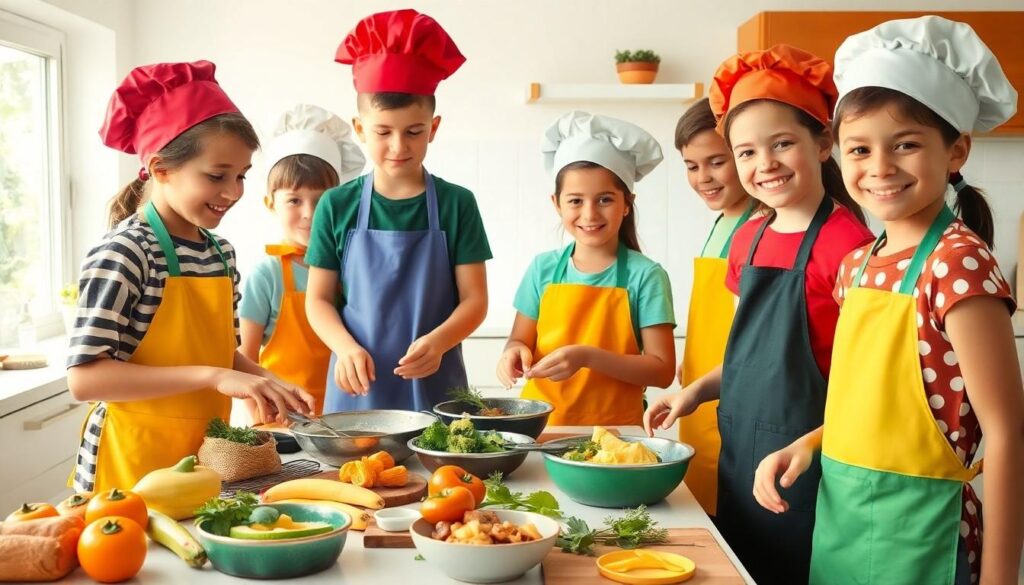
Picture this: a kitchen filled with laughter, a dash of chaos, and the unmistakable aroma of culinary creativity. Kids cooking competitions are the ultimate recipe for fun, where young chefs trade their toys for spatulas and aprons. They whip up imaginative dishes that could make even Gordon Ramsay crack a smile—or at least not throw a tantrum!
Overview of Kids Cooking Competitions
Kids cooking competitions foster creativity and teamwork among participants. These events bring together children who share a passion for cooking, allowing them to explore various culinary techniques and flavors. Often, competitions target different age groups, such as ages 6 to 12 or 13 to 17, creating appropriate challenges for each level.
Judges typically include chefs, food critics, or culinary instructors, ensuring expert evaluations. Children showcase skills in cooking, plating, and presentation while incorporating unique ingredients to impress the judges. Many competitions also emphasize healthy eating, teaching participants the importance of nutrition.
In addition to cooking, participants often engage in teamwork and problem-solving activities. Kids learn to communicate effectively while working together, encouraging collaboration in a fun environment. Tasks may include preparing a themed dish within a specific time limit, testing their efficiency and creativity.
Rewards often consist of trophies, cookbooks, or gift certificates to local culinary shops. Recognition boosts children’s confidence and encourages a continued interest in cooking. Some competitions even offer scholarships or culinary school opportunities, paving the way for future culinary careers.
Communities benefit from hosting these events, as they draw families together and promote local talent. Schools and organizations often hold competitions to engage children and inspire passion for the culinary arts. Through positive experiences, kids develop lifelong skills in cooking and teamwork, making these competitions valuable and impactful.
Benefits of Participating in Kids Cooking Competitions

Kids cooking competitions provide valuable opportunities for young chefs to delve into the culinary arts. They foster a range of benefits that enhance personal and social skills.
Skill Development
Culinary competitions enhance practical cooking skills in young participants. They learn techniques such as chopping, sautéing, and baking that build foundational expertise. Understanding ingredient pairings also plays a key role in recipe creation. Taste testing reinforces a child’s ability to evaluate flavors, making them more discerning cooks. Participants encounter new ingredients, enhancing their culinary vocabulary. They often work under time constraints, which boosts their ability to think quickly and manage stress. Learning to plate dishes beautifully sharpens presentation skills, promoting creativity. Overall, children emerge from these competitions with a well-rounded skill set and improved kitchen confidence.
Boosting Confidence
Participating in cooking competitions boosts children’s self-esteem. Gaining recognition for their culinary creations can create a sense of accomplishment. They develop a comfort level in presenting their food in front of judges and peers. Positive feedback from judges helps reinforce their cooking abilities, encouraging further exploration in the kitchen. Overcoming challenges during competitions fosters resilience, teaching them to embrace mistakes as learning experiences. Award ceremonies celebrate their efforts, offering tangible rewards like trophies or certificates that further enhance their pride. Continued involvement in cooking can nurture their passion for gastronomy, influencing their future culinary pursuits.
Popular Kids Cooking Competition Shows
Kids cooking competitions captivate audiences and showcase young talent. Various television shows highlight their culinary journey, demonstrating creativity and skill.
“MasterChef Junior”
“MasterChef Junior” features talented chefs aged 8 to 13 who face thrilling cooking challenges. Contestants whip up dishes that impress renowned judges, including chefs like Gordon Ramsay. Each episode highlights creativity, teamwork, and technical skills as they tackle unique recipes and ingredients. The series encourages kids to push their limits and engage their passion for cooking, building their confidence along the way. By focusing on healthy eating and innovative flavors, young chefs learn essential culinary techniques that can last a lifetime.
“Kids Baking Championship”
“Kids Baking Championship” spotlights young bakers ages 10 to 13 in a competition filled with sweet creations. Contestants tackle intricate baking tasks, from cakes to pastries, showcasing their creativity and precision. Judges, including expert bakers, provide feedback on techniques and flavors, furthering participants’ skills. Each challenge tests their ability to innovate under pressure, fostering resilience and artistry. With a mix of fun and education, this show inspires youth to explore baking and develop a deeper understanding of cookies, pies, and desserts.
Tips for Young Chefs Preparing for Competitions
Preparation plays a crucial role in a child’s success at cooking competitions. Young chefs should emphasize practice and recipe selection to maximize their culinary skills.
Practice and Recipe Selection
Selecting the right recipes remains essential. Choose dishes that showcase personal strengths and creativity. Each dish should be age-appropriate, focusing on techniques that the participant already masters. Practicing each recipe multiple times builds confidence and fine-tunes skills. Trying variations on flavors helps young chefs discover what excites their taste buds. Engaging family members or friends during practice sessions provides helpful feedback and moral support. Exploring seasonal ingredients enhances the dish’s freshness and adds excitement.
Time Management Strategies
Utilizing effective time management strategies ensures successful competition performance. Break down each recipe into manageable steps to streamline the cooking process. Creating a cooking timeline aids in tracking progress throughout the competition. Allocate specific time blocks for meal prep, cooking, and plating. Anticipating potential challenges minimizes stress as the event approaches. Practicing under timed conditions prepares young chefs to reproduce their recipes within limits. Developing a checklist of equipment and ingredients enhances preparedness on competition day. Prioritizing tasks ensures that nothing is overlooked while delivering a well-executed dish.
Conclusion
Kids cooking competitions serve as a fantastic platform for young chefs to unleash their creativity and develop essential culinary skills. These events not only foster teamwork and communication but also instill a sense of accomplishment and confidence in participants. The joy of cooking together creates lasting memories and friendships among children.
With the right support and encouragement, these competitions can inspire a lifelong passion for the culinary arts. As communities come together to celebrate young talent, the impact of these events extends beyond the kitchen, nurturing future generations of passionate chefs.